Stocks Can’t Catch a Break Even as Yields and Oil Fall. Why?

Stocks Can’t Catch a Break Even as Yields and Oil Fall. Why?
By:Ilya Spivak
Lower bond yields, cheaper oil, and a strong manufacturing survey should have helped stocks. They sold off anyway. Are markets turning defensive by default?
- Stocks reversed a recovery attempt despite falling Treasury yields and a drop in crude oil prices
- Markets now see about a 73% chance of a December Fed rate hike and price roughly one more in 2027
- A heavy week of event risk includes US midterm elections, central bank decisions, and the October jobs report
Stocks tried to recover from last week’s aggressive selloff, and the effort quickly fell apart. The S&P 500 retested the underside of the range it broke on Friday, poked through briefly, then reversed sharply lower into the close. The tech-heavy Nasdaq 100 managed an even shallower bounce after Friday’s drop bulldozed through a series of support levels, and it was soon slammed lower again. The small-cap Russell 2000, which had been outperforming, appears to be recoupling with the broader market.
What makes the reversal striking is that the backdrop looked supportive. Treasuries extended their rally, with long-term bonds breaking above a key level. Crude oil fell on reports that negotiators in Qatar and Oman are trying to bring Washington and Tehran back to the table, and as President Trump signaled he wants to give diplomacy more time. Lower yields and cheaper energy might have lifted sentiment. Stocks found no solace in either.
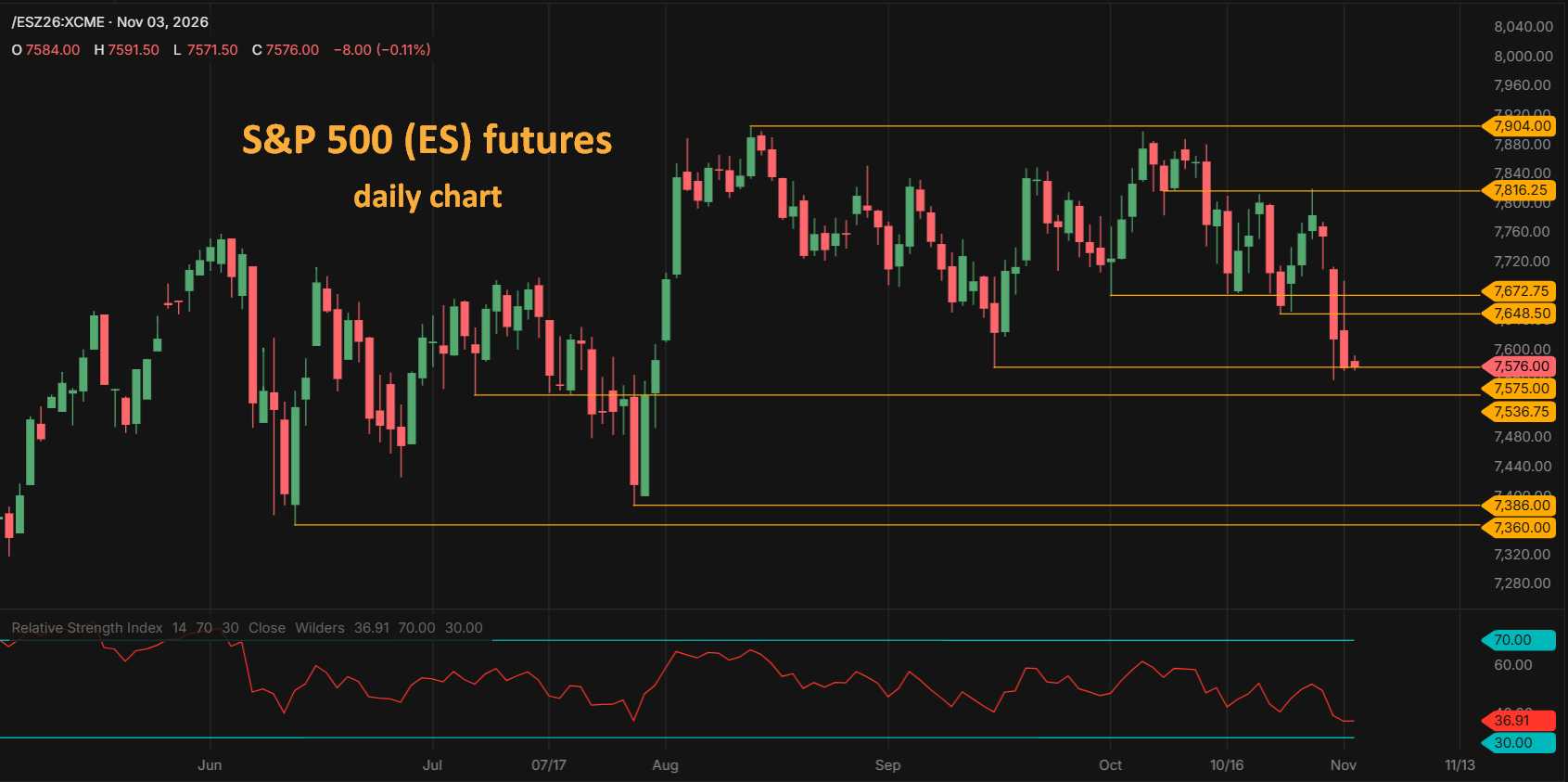
The US dollar remained on the back foot. The euro built on what looked like a bottom taking shape last week, and the British pound pressed against the 1.34 level ahead of an anticipated Bank of England (BOE) rate hike. The Canadian dollar’s uptrend stayed intact, while the Australian dollar softened ahead of a Reserve Bank of Australia (RBA) decision that is also seen bringing a hike, perhaps a final one. Gold and silver bounced, but both stalled at the underside of ranges they broke recently.
A defensive default without a clear trigger
There was no distinct catalyst for the selloff, and that may be what makes it so telling. The move looks more like a turn in sentiment than a reaction to news, as if markets were waiting for event risk to pass so they could retreat.
Earnings are not the problem. According to FactSet, blended third-quarter S&P 500 earnings growth stands at about 30% with most companies having reported, essentially in line with the 29% expected a month ago. Tech is actually beating forecasts, with earnings growth of 67.5% against 63.8% expected, yet that is where most of the selling is concentrated. Results that confirm expectations no longer seem good enough.
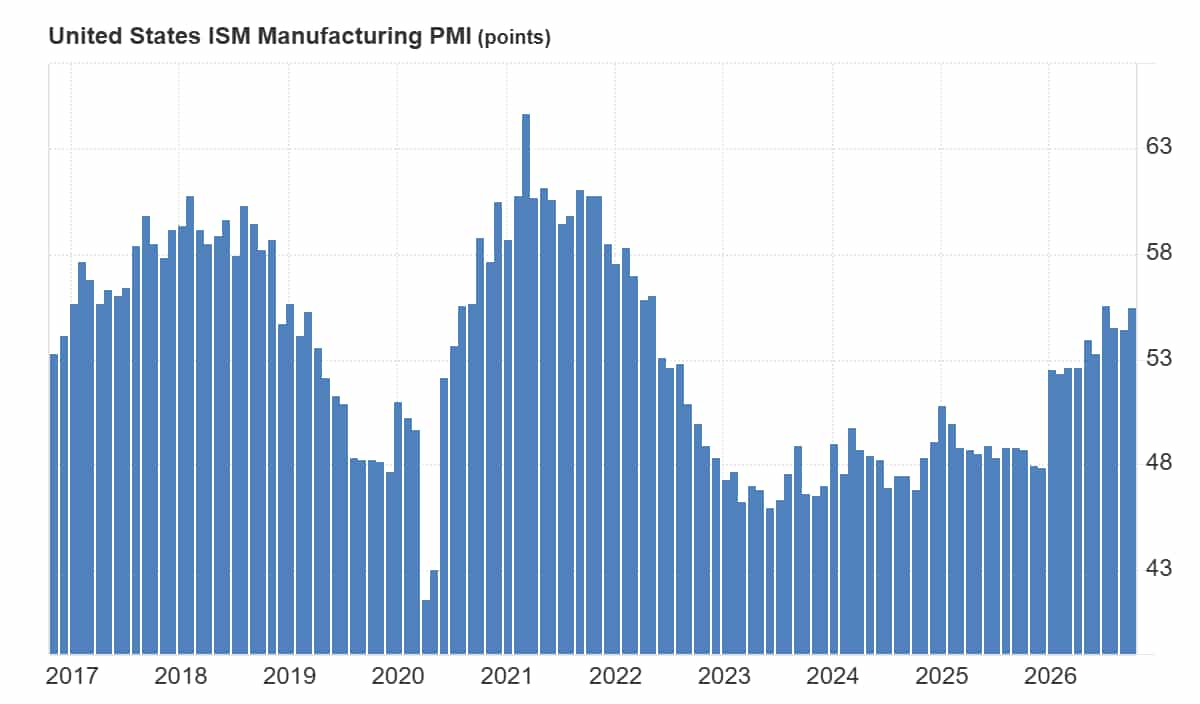
Economic data did not explain it either. The manufacturing purchasing managers index (PMI) from the Institute for Supply Management (ISM) showed faster-than-expected growth in October, the second-highest reading in four years, as production and new orders picked up meaningfully. The details hint at a possible slowdown ahead, however. Order backlogs grew more slowly, employment growth eased, inventories began to build after a period of contraction, and price pressure softened. That could point to cooling demand setting up weaker production later in the year.
Why is the market worried about AI spending?
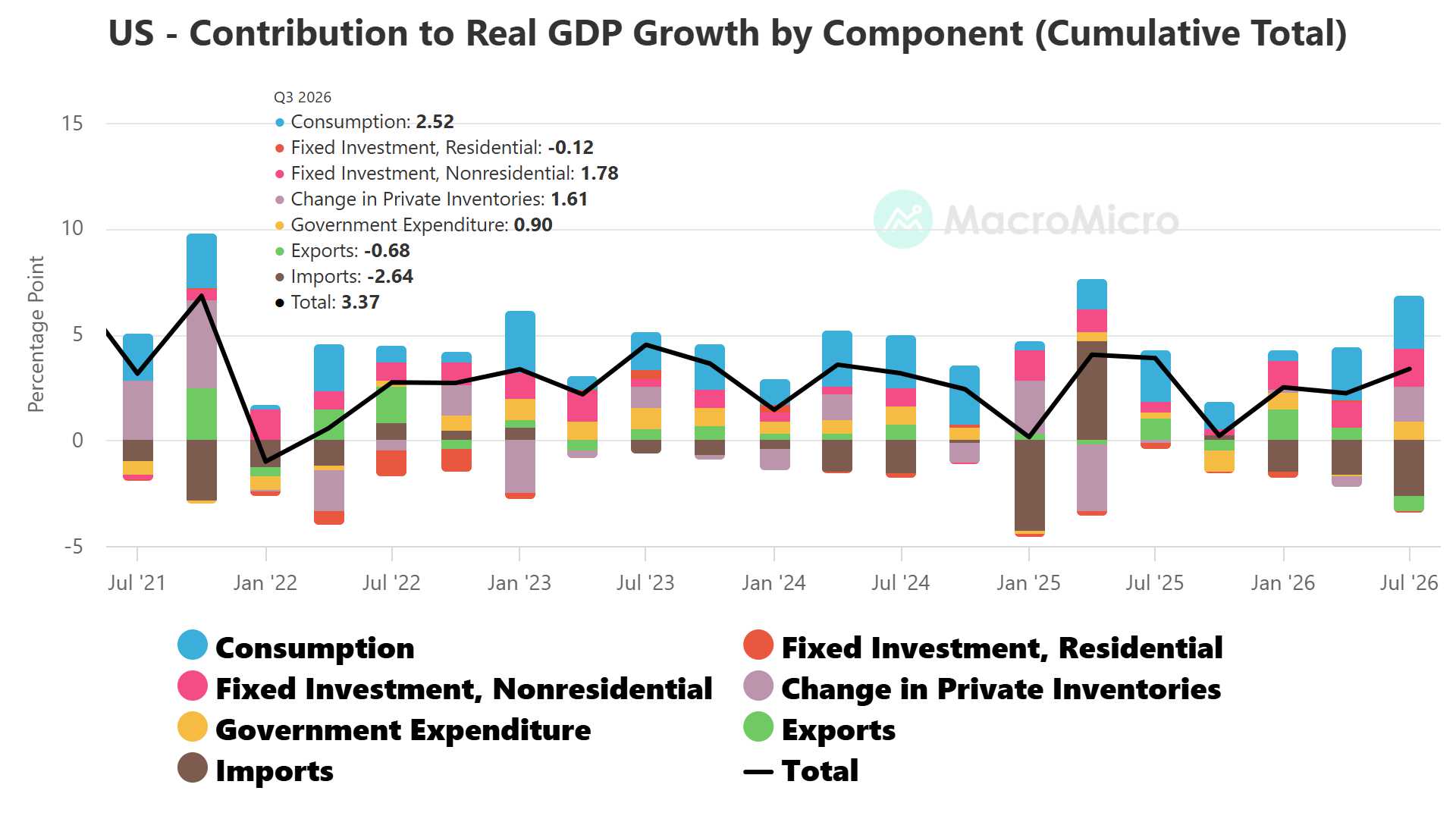
The bigger threat may lie in growth’s composition. Third-quarter GDP grew 3.4%, but imports subtracted 2.64 percentage points, more than the 2.52 points added by consumer spending, as tariffs and expensive energy raised prices. Private investment, mostly business spending and inventory building, accounted for 3.27 points of the total. If AI spending slows, as the stock market selloff and the ISM details may be hinting, the economy would have little left to stand on.
Rate hike bets keep fading. Fed funds futures now put the odds of a 25-basis-point (bps) hike in December at about 73%, with the move fully priced by January. Markets still lean toward one more in 2027, at roughly 86% odds, but bets on two or three hikes next year have vanished. The Fed projected two hikes this year in September, delivered the first, and held in October. With no meeting in November, December is its remaining window for the second.
This week will test that view. US midterm election results could shape sentiment from Wednesday. The ISM services survey, covering a much larger share of the economy than manufacturing, follows the same day. The BOE is expected to raise rates to 4% from 3.75% on Thursday, and October’s jobs report on Friday is expected to show 65,000 jobs added after September’s 29,000, with unemployment steady at 4.2%.
If the data start to reflect growth risks, markets may conclude they are still overpriced for rate hikes. That would likely extend the bond rally and the US dollar’s slide, while stocks, already in a defensive mood, may find little comfort.
Ilya Spivak, tastylive Head of Global Macro, has over 15 years of experience in trading strategy. He specializes in identifying thematic moves in currencies, commodities, interest rates and equities. He hosts Macro Money and co-hosts Overtime, Monday-Thursday. @Ilyaspivak
For live daily programming, market news and commentary, visit tastylive.com or @tastyliveshow on YouTube
Trade with a better broker, open a tastytrade account today. tastylive, Inc. and tastytrade, Inc. are separate but affiliated companies.
Options involve risk and are not suitable for all investors. Please read Characteristics and Risks of Standardized Options before deciding to invest in options.
tastylive content is created, produced, and provided solely by tastylive, Inc. (“tastylive”) and is for informational and educational purposes only. It is not, nor is it intended to be, trading or investment advice or a recommendation that any security, futures contract, digital asset, other product, transaction, or investment strategy is suitable for any person. Trading securities, futures products, and digital assets involve risk and may result in a loss greater than the original amount invested. tastylive, through its content, financial programming or otherwise, does not provide investment or financial advice or make investment recommendations. Investment information provided may not be appropriate for all investors and is provided without respect to individual investor financial sophistication, financial situation, investing time horizon or risk tolerance. tastylive is not in the business of transacting securities trades, nor does it direct client commodity accounts or give commodity trading advice tailored to any particular client’s situation or investment objectives. Supporting documentation for any claims (including claims made on behalf of options programs), comparisons, statistics, or other technical data, if applicable, will be supplied upon request. tastylive is not a licensed financial adviser, registered investment adviser, or a registered broker-dealer. Options, futures, and futures options are not suitable for all investors. Prior to trading securities, options, futures, or futures options, please read the applicable risk disclosures, including, but not limited to, the Characteristics and Risks of Standardized Options Disclosure and the Futures and Exchange-Traded Options Risk Disclosure found on tastytrade.com/disclosures.
tastytrade, Inc. ("tastytrade”) is a registered broker-dealer and member of FINRA, NFA, and SIPC. tastytrade was previously known as tastyworks, Inc. (“tastyworks”). tastytrade offers self-directed brokerage accounts to its customers. tastytrade does not give financial or trading advice, nor does it make investment recommendations. You alone are responsible for making your investment and trading decisions and for evaluating the merits and risks associated with the use of tastytrade’s systems, services or products. tastytrade is a wholly-owned subsidiary of tastylive, Inc.
tastytrade has entered into a Marketing Agreement with tastylive (“Marketing Agent”) whereby tastytrade pays compensation to Marketing Agent to recommend tastytrade’s brokerage services. The existence of this Marketing Agreement should not be deemed as an endorsement or recommendation of Marketing Agent by tastytrade. tastytrade and Marketing Agent are separate entities with their own products and services. tastylive is the parent company of tastytrade.
tastyfx, LLC (“tastyfx”) is a Commodity Futures Trading Commission (“CFTC”) registered Retail Foreign Exchange Dealer (RFED) and Introducing Broker (IB) and Forex Dealer Member (FDM) of the National Futures Association (“NFA”) (NFA ID 0509630). Leveraged trading in foreign currency or off-exchange products on margin carries significant risk and may not be suitable for all investors. We advise you to carefully consider whether trading is appropriate for you based on your personal circumstances as you may lose more than you invest.
tastycrypto is provided solely by tasty Software Solutions, LLC. tasty Software Solutions, LLC is a separate but affiliate company of tastylive, Inc. Neither tastylive nor any of its affiliates are responsible for the products or services provided by tasty Software Solutions, LLC. Cryptocurrency trading is not suitable for all investors due to the number of risks involved. The value of any cryptocurrency, including digital assets pegged to fiat currency, commodities, or any other asset, may go to zero.
© copyright 2013 - 2026 tastylive, Inc. All Rights Reserved. Applicable portions of the Terms of Use on tastylive.com apply. Reproduction, adaptation, distribution, public display, exhibition for profit, or storage in any electronic storage media in whole or in part is prohibited under penalty of law, provided that you may download tastylive’s podcasts as necessary to view for personal use. tastylive was previously known as tastytrade, Inc. tastylive is a trademark/servicemark owned by tastylive, Inc.
Your privacy choices